Key Strategies for Smart Junk Removal: Declutter Your Space Right Now!
Smart junk removal is crucial for creating a calm living space. Understanding the emotional attachments to belongings can greatly ease the decluttering process. Setting clear goals for each area encourages focus and direction. However, many face challenges with where to begin or how to maintain organization after the initial clean-up. The following tips deliver a structured approach to tackle clutter efficiently, ensuring a more organized environment for the long term. What steps will you take first?
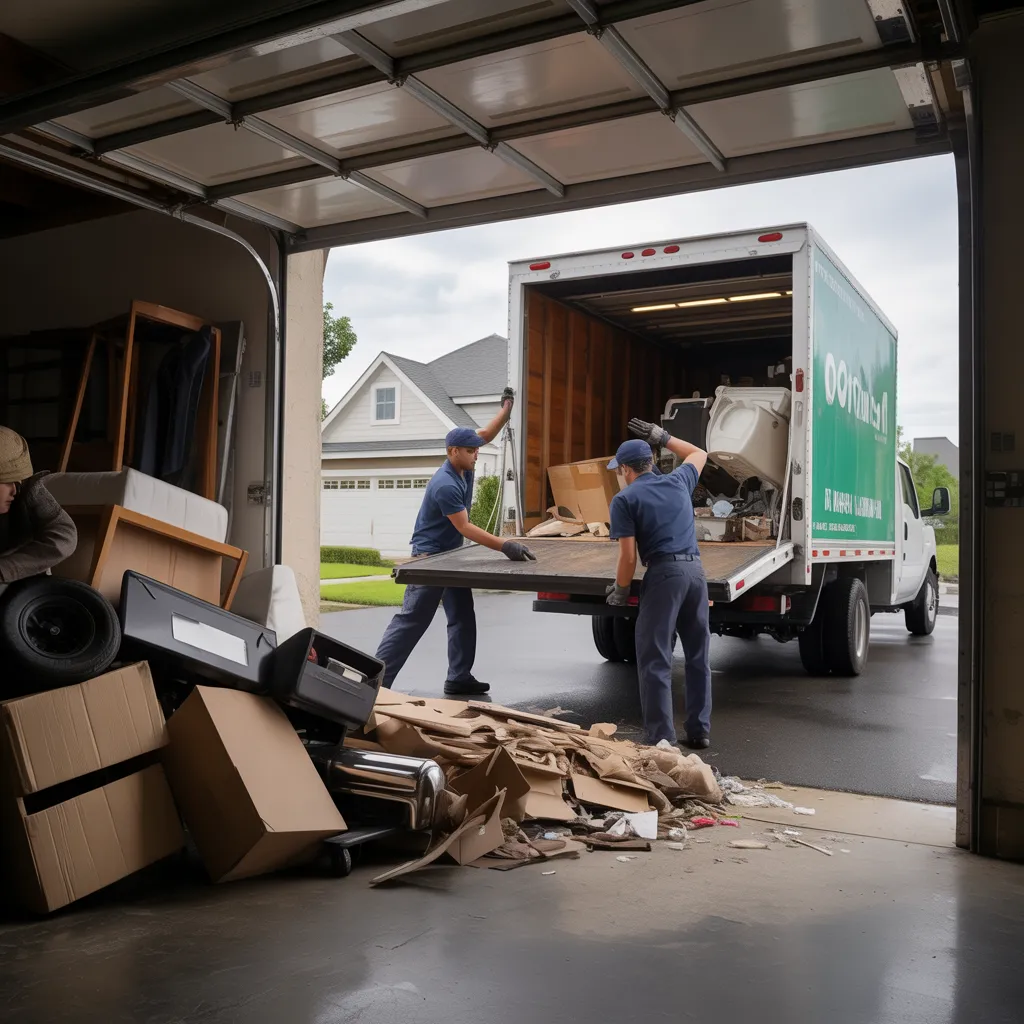
Why Understanding Your Clutter Is the Key to Stress-Free Decluttering
Recognizing a person's clutter can greatly ease the decluttering procedure, as it allows individuals to pinpoint the emotional and practical bonds they have to their belongings. Many people accumulate items not just for their utility, but also due to sentimental attachments. This emotional connection can make it hard to let go. Identifying these feelings helps individuals confront the reasons behind their clutter, ultimately leading to informed decisions about what to preserve or discard.
Additionally, recognizing the quality of one's clutter can expose patterns in buying and accumulation. By examining how items were procured and why they remain, one can develop insights into their behaviors and preferences. This awareness cultivates a mindset supportive to change, making it more straightforward to approach decluttering with determination and clarity. Eventually, the process becomes less about basic removal and more about creating a personal space that embodies one's values and aspirations.
Set Specific Goals for Your Junk Removal Journey
Establishing clear objectives for a junk removal process is essential, as it delivers direction and motivation throughout the journey. By defining particular objectives, individuals can channel their efforts and gauge progress efficiently. For example, one might aim to declutter a certain room or achieve a specific volume of items removed within a set timeframe.
In addition, defining goals can help to organize tasks, making it easier to address the most daunting areas first. This organized approach not only increases productivity but also minimizes feelings of being overburdened.
Additionally, goals can encompass emotional milestones, such as feeling a sense of comfort or accomplishment once the space is cleared. By visualizing the ultimate goal, one can sustain motivation and commitment. In the end, clear goals work as a roadmap, steering individuals through the frequently challenging process of junk removal and creating a more organized, serene living environment.
Develop a Classification System for Successful Junk Removal
An effective sorting system is essential for simplifying the junk removal process. By grouping items, people can more easily determine what to retain, donate, recycle, or discard. The first step involves assembling containers or bags labeled for each category. This visual aid assists in maintaining focus during the sorting activity.
Following this, individuals should methodically address each area, organizing items into their respective containers as they work. It is wise to be realistic about the need of each item, asking whether it delivers value or joy. Setting a timer can also enhance productivity, encouraging prompt decisions and reducing second-guessing.
When sorting is complete, the next step is to relocate items from the designated containers to their final destinations. This organized approach not only streamlines the junk removal process but also promotes a sense of accomplishment, ultimately creating a more organized and serene living space.
Tackle One Area at a Time for Optimal Decluttering
Why does tackling one space at a time revolutionize the decluttering journey? When you channel efforts into a single location, individuals can achieve clearer, more manageable goals. Trying to address your entire living space at once can seem daunting, typically triggering avoidance. Alternatively, splitting the project into bite-sized pieces—such as a single room, wardrobe, or just a drawer—allows for a more systematic approach. This method promotes thoroughness, ensuring that no items are overlooked.
When a single space is done, a sense of accomplishment energizes the drive to continue. It also creates a visual progress indicator, strengthening the benefits of decluttering. Moreover, focusing on one area reduces distractions, allowing for better decision-making regarding which items to retain, give away, or throw out. Ultimately, this targeted strategy not only simplifies the decluttering process but also fosters a more organized and peaceful environment, making it less difficult to maintain in the long run.
Get Your Essential Decluttering Equipment
When starting on a decluttering journey, having the right tools on hand can substantially streamline the process. Essential tools include sturdy boxes or bins for sorting items into categories such as keep, donate, and discard. Labeling materials, such as markers and adhesive labels, help confirm that each box is easily identifiable, simplifying the decision-making process. A tape measure can also be useful for determining if larger items fit into designated spaces.
Additionally, garbage bags are crucial for quickly disposing of unneeded items. For items that demand special handling, such as electronics or hazardous materials, it's essential to have a plan and appropriate containers. To conclude, a notebook or digital app can aid in tracking progress and jotting down observations regarding future organization. By providing yourself with these key decluttering tools, the journey toward a tidier and clutter-free space becomes considerably more manageable.
Guidelines for Ongoing Organization After Simplifying
Creating long-term order after decluttering necessitates regular habits and thoughtful planning. To preserve an organized space, individuals should adopt a routine for consistent tidying. This can include allocating a particular time each week to assess belongings and return items to their designated places.
Utilizing storage solutions, such as bins or shelves, can also help to keep items sorted and easily accessible. Labeling these storage containers provides clarity, making it easier to discover necessary items without sifting through clutter.
Additionally, establishing a one-in-one-out policy can halt future accumulation. This implies that for every new item brought into the home, an old item should be removed.
Finally, consistently reviewing the space and belongings can help recognize any new clutter and address it quickly, fostering a long-term organizational system. By following these guidelines, individuals can enjoy a clutter-free environment for the long term.
When to Bring in Expert Junk Removal Services?
Establishing when to bring in professionals for junk removal relies on several factors. Weighty items often need specialized equipment for safe disposal, while time constraints can make DIY efforts inefficient. Furthermore, the presence of hazardous materials requires expert handling to guarantee safety and compliance with regulations.
Bulky Items Disposal
When confronted with the challenge of getting rid of heavy items, many individuals may find themselves uncertain about whether to handle the task on their linked resource own or to enlist professional help. Heavy furniture, appliances, and construction debris can create significant risks, including bodily harm and property damage. Those lacking the proper equipment or physical strength should consider contacting professionals who are trained to handle such situations safely. Furthermore, professional junk removal services often have the proper vehicles and tools to efficiently transport and get rid of heavy items. In the end, the decision should be based on personal capability, safety considerations, and the complexity of the removal process. When in doubt, selecting professional assistance can offer peace of mind and guarantee a more smooth experience.

Time Constraints Consideration
While several persons may desire to handle junk removal independently, time limitations can greatly influence the decision to hire professionals. For those with hectic schedules or impending deadlines, securing expert help can offer a prompt resolution. Professionals not only streamline the process but also bring the necessary equipment and experience to tackle large volumes of junk efficiently. Furthermore, unexpected life events, such as moving or renovations, can create urgent needs for decluttering that people may not be able to address alone. In such circumstances, bringing in the pros promises timely completion, letting homeowners to focus on other pressing matters. In the end, examining one's schedule and urgent needs is essential in deciding whether to seek professional assistance for junk removal.
Dangerous Materials Management
Managing hazardous materials requires careful consideration and expertise, as inadequate disposal methods can create substantial health and safety risks. Items such as batteries, paints, chemicals, and electronic waste contain substances that can harm the environment and human health if not handled properly. It is vital for individuals to understand when these materials are present and to understand the legal regulations surrounding their disposal. In cases involving hazardous waste, engaging professional junk removal services is advisable. These experts are trained to handle, identify, and dispose of hazardous materials in accordance with local laws. By hiring professionals, individuals can ensure their space is decluttered without sacrificing safety or the environment.
Frequently Asked Questions
What Things Should I Not Throw Out During Decluttering?
During decluttering, people should avoid getting rid of items with sentimental value, vital paperwork, electronics with possible worth, harmful materials, and objects that might be recycled or contributed. Mindful assessment ensures important or sentimental belongings don't get removed.
What's the Correct Method for Recycling Electronic Waste?
For proper electronic waste recycling, it's important to find certified e-waste recycling centers, adhere to local regulations, and ensure devices are erased of personal data ahead of disposal. This supports environmental sustainability and reduces harmful landfill impact.
What Are the Best Eco-Friendly Junk Removal Options?
Environmentally friendly junk removal choices include giving away usable items, recycling materials, and hiring environmentally aware removal services that prioritize sustainable practices. Individuals can also take advantage of community programs that emphasize reducing landfill waste and fostering environmental responsibility.
How Do I Handle Sentimental Items During Decluttering?
When dealing with sentimental items during decluttering, one must consider their emotional value, consider taking photographs, and limit retention to only a few meaningful pieces. This approach aids in retain memories while reducing clutter effectively.
Can Damaged or Broken Items Be Donated?
Donating defective or non-functional items is commonly discouraged, as most organizations want functional goods. That said, some nonprofit groups may receive them for repair or recycling. It's best to reach out directly with the specific organization before giving.